
Why sewer roaches come up in a Tucson summer
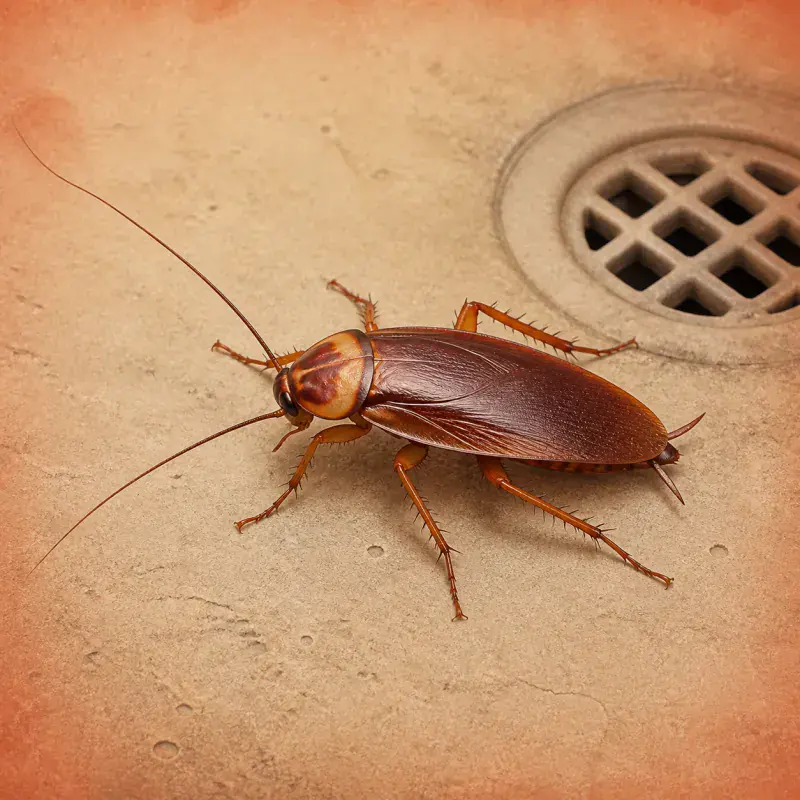
Sewer roaches come up in a Tucson summer because heat and monsoon rain stir up the sewer, and a drain with no water in its trap is an open door into your house. The sewer roach is the American cockroach, which the University of Arizona Cooperative Extension calls the largest and most common roach in Arizona, and Pima County says it is the only roach in the area that lives in the sewers. It likes it hot. The University of California Statewide IPM Program puts its preferred range above 82 degrees, a bar a Tucson June clears by mid-morning.
Then the storms roll in. The University of Florida IFAS profile of the species says American cockroaches are rarely found living in houses, but infestations can follow heavy rain, and the roaches wander indoors to escape extreme weather. A monsoon cell that turns your street into a creek counts.
The way in is your plumbing. Every sink, tub, shower and floor drain has a U-shaped trap holding a plug of water between you and the sewer, and UC IPM notes that these roaches forage into buildings when pipes are damaged or drain traps fail. In a Tucson summer the usual failure is boring: the water evaporated. The guest tub nobody has touched since spring. The laundry room floor drain. The little bathroom in the casita.
What one bad monsoon night can look like
The worst plausible case with sewer roaches is not a single roach. It is a dry trap you do not know about, a week of storms, and a house that quietly becomes part of a roach's nightly route. Picture it. Late July, the storm blew through at five, and the whole neighborhood still smells like wet creosote. You get up at two for a glass of water and flip on the kitchen light. A two-inch roach sits on the rim of the fruit bowl, glossy and reddish brown, antennae longer than its body, in no particular hurry. Another one is on the dish rack. You swat, it bolts under the stove, and then it does the thing every Tucson newcomer remembers forever. It opens its wings and flies at your face.
Now think about where those feet were an hour ago. UC IPM says American cockroaches can pick up the bacteria behind food poisoning, Salmonella and Shigella among them, from human waste in the sewer, and the UF/IFAS profile counts at least 22 species of human pathogens isolated from wild-caught ones. That roach just walked across your cutting board. The EPA lists cockroach droppings and body parts as an asthma trigger, which lands differently when a kid in the house keeps an inhaler on the nightstand.
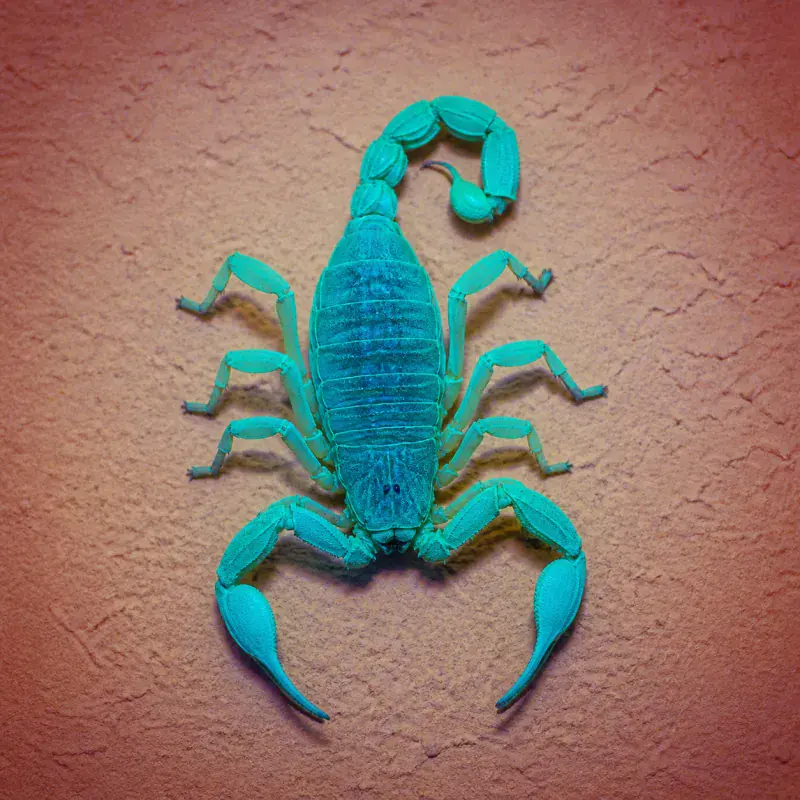
Ignore it for a few weeks and the next part happens out of sight. A female American cockroach carries her egg case for about six days, per UC IPM, then glues it to a protected spot where it incubates for about two months. The roach you missed in August leaves a dark capsule behind the vanity that hatches in October, right after you decided the problem was over. And every roach patrolling your foundation at night is dinner for the Arizona bark scorpion. Our guide to what bark scorpions eat around a Tucson home explains why a roach problem outside is a scorpion problem waiting its turn.
A drain-by-drain checklist for your house
A Tucson house has more sewer roach doors than most owners realize, and most of them are drains you walk past every day. Go through this list once with a flashlight before the next storm.
| Opening | Why it fails in summer | What to do |
|---|---|---|
| Guest bath sink, tub and shower | Trap water evaporates when nobody runs it for weeks | Run water for 30 seconds at least weekly and close the stopper |
| Laundry room or garage floor drain | Almost never gets water, so it dries out first | Pour in a gallon of water weekly and cover it with a flat rubber drain cover |
| Casita, pool bath or spare toilet | Used a few times a season | Refill the traps, flush the toilet, keep stoppers down |
| Sewer cleanout in the yard | Cap cracked by a mower or missing entirely, a straight opening into the line | Replace the cap, a few dollars at any hardware store |
| Gaps where pipes enter walls | Unsealed holes behind sinks, the washer and the water heater | Seal with caulk or foam and fit trim plates around the pipes |
| Exterior doors and the garage | Worn sweeps let roaches from the yard walk straight in | New door sweeps and weather stripping |
| The whole house while you travel | Every trap dries at once in an empty house | Close all stoppers, cover floor drains, ask a neighbor to run water |
How to keep sewer roaches out yourself
You keep sewer roaches out by keeping water in every trap and closing the other doors, and for most Tucson homes that takes a faucet, a caulk gun and about an hour a month. In order of payoff:
- Refill every trap. Pima County's advice is to run water down your drains daily while roaches are active. Daily is ambitious for a guest bath. Weekly is the floor, and in July more often is better.
- Close what you are not using. The University of Arizona Cooperative Extension says closing drains can stop roaches coming up from the sewer. Push the stopper down in spare sinks and tubs and lay a rubber cover over floor drains.
- Use bleach as maintenance, not magic. Pima County suggests up to half a cup of bleach per drain, left 20 to 30 minutes and then rinsed. Never mix it with ammonia or other drain cleaners.
- Put the cap back on. Find your sewer cleanout, a capped pipe near the foundation or out in the yard. A cracked or missing cap is a hole straight into the line.
- Seal the gaps. UC IPM recommends sealing cracks and adding door sweeps and weather stripping. Caulk around the pipes under every sink. The same work does double duty against bark scorpions, as our guide to scorpion-proofing a Tucson home shows.
- Monitor before you treat. A sticky trap beside each suspect drain tells you within a few nights which one is the door. If roaches persist, the Extension points to bait stations, traps and boric acid, placed where pets and kids cannot reach them. Skip the bug bomb. It never reaches the sewer, and the sewer is where these roaches live.
- Report the manhole. If roaches pour out of the street manhole at dusk, tell Pima County Regional Wastewater Reclamation, which treats sewer manholes free for its customers but does not treat private lines, buildings or yards.
When DIY is not enough
DIY stops being enough once sewer roaches keep coming after every trap is full, because at that point the door is somewhere you cannot see. These are the signs:
- Roaches still show up two weeks after you refilled and closed every drain in the house.
- You find small nymphs or dark egg cases indoors. They are breeding inside now, not visiting.
- A sewer smell arrives with the roaches, or they appear near a floor crack or a wall instead of a drain. UC IPM names damaged pipes as a main way in, and a cracked line under the slab needs a camera, not a caulk gun.
- You see several a week, or any in daylight.
- Someone at home has asthma and the sightings are not tapering off.
If one of those fits, the sensible next step is a phone call rather than another month of bleach and flashlight patrols. Call (888) 217-8578 and we connect you with a licensed local provider who can find the entry point, treat drains, cleanouts and the perimeter with products labeled for that use, and tell you when the real fix is a plumber. Typical market ranges, not a quote: roughly $100 to $300 for a one-time sewer roach or perimeter treatment. Our cockroach control page explains how providers handle each of the three roaches you meet in Tucson.
And the good news: sewer roaches are commuters, not roommates. Keep water in the traps, caps on the pipes and the gaps sealed, and most Tucson homes go from nightly visitors to the odd lost straggler well before the monsoon packs up at the end of September.
How the call works
- Tell us what you are seeing. Big roaches coming up a drain, a cleanout with no cap, roaches around the manhole out front. A few details are enough.
- Get routed by ZIP code. Your call goes to an independent, licensed provider that actually covers your part of the Tucson metro.
- Book on the same call. Most providers can quote an inspection or treatment window right away.
Same-day or overnight service depends on which providers are taking calls in your part of Tucson, how many technicians are free and how busy the week is. Nobody can promise it, and capacity shifts from one neighborhood and one week to the next.
Frequently asked questions
Can sewer roaches come up through the toilet?
Rarely. A toilet has its own built-in water trap and every flush refills it, so a toilet in regular use keeps its seal. A toilet in a bathroom nobody has used for months can lose that water to evaporation like any other drain, so flush the spare ones whenever you refill the sink and tub traps.
Does pouring bleach down the drain keep sewer roaches away?
It helps as maintenance, but the water is what actually blocks them. Pima County suggests up to half a cup of bleach per drain, left for 20 to 30 minutes and then rinsed, and says running water down drains daily keeps roaches out because they cannot swim through a full trap. Never mix bleach with ammonia or other drain cleaners.
Why am I seeing more roaches right after the county treated the sewer?
Because the treatment is working. Pima County says the insecticide it paints inside manholes does not kill on contact, so you may see dead or dying roaches out to the curb, and more activity in nearby homes as roaches try to escape it. Keep every trap in the house full while it runs its course.
Are sewer roaches dangerous?
They do not sting or carry venom, but they are dirty. The University of California Statewide IPM Program says American cockroaches can carry the bacteria behind food poisoning, including Salmonella and Shigella, from sewers, and the EPA lists cockroach droppings and body parts as an asthma trigger. Wipe down any surface one crossed and keep food covered.