
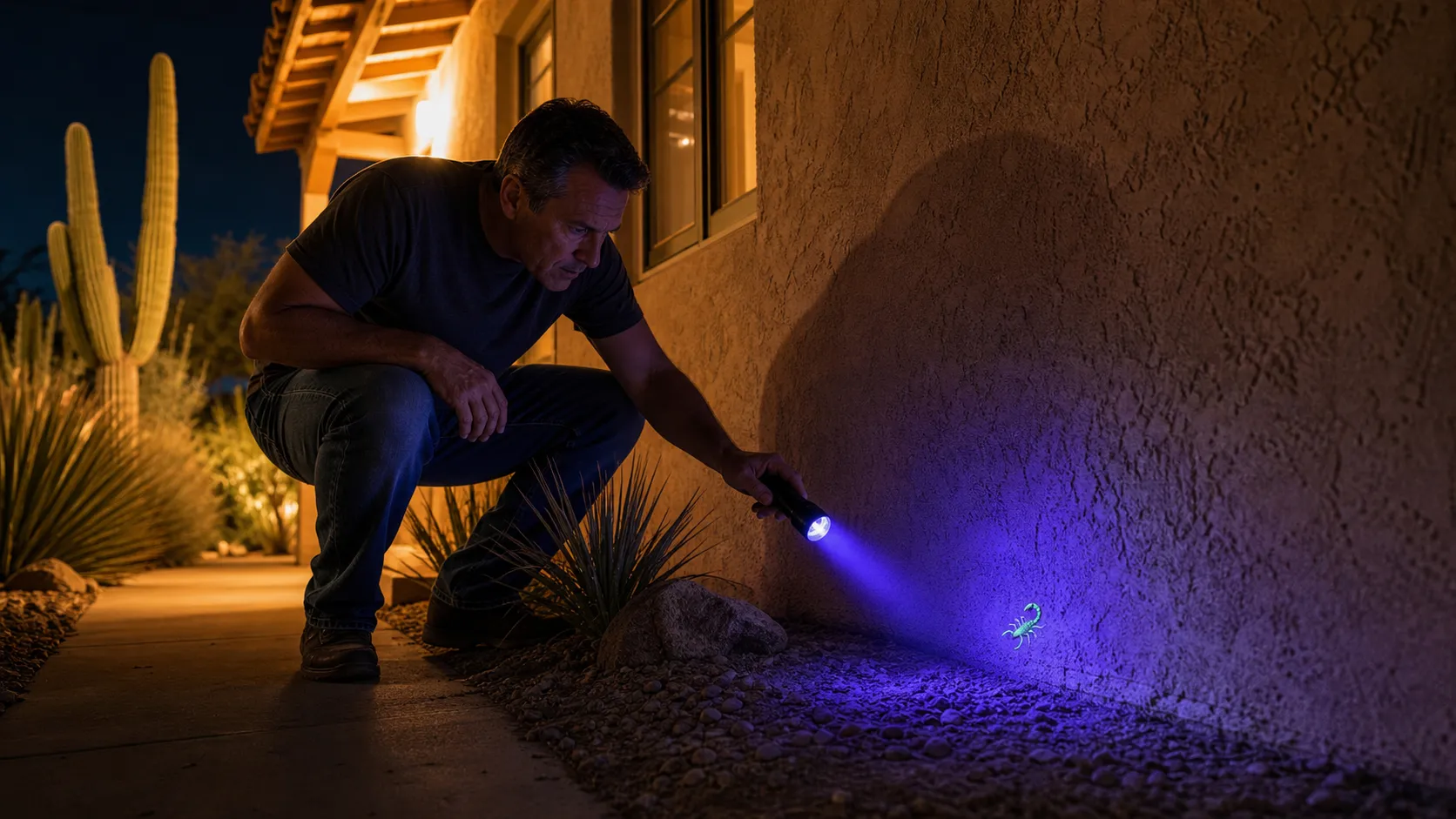
When are scorpions active in Tucson?
Scorpions in Tucson are active from roughly late March through early November, and almost entirely at night. The University of Arizona Cooperative Extension puts the sweet spot at nighttime temperatures above 70 degrees, with most bark scorpion movement between 7 and 11 p.m. and again from 3 a.m. until sunrise. From November through March they are still here, just slow and tucked away.
The sting data follows the thermometer. The Arizona Poison and Drug Information Center in Tucson reports that the majority of stings called in to the center happen at night during the warm summer months, and it fields 900 to 1,500 scorpion sting calls a year from its side of the state. Statewide, Arizona's two poison centers managed almost 5,500 scorpion stings in 2021. If you are new here, that is the number to keep in mind when you are tempted to walk to the kitchen barefoot at 2 a.m. in July.
Tucson scorpion calendar: month by month
Here is how a typical year runs in the Tucson metro. Individual years shift with the weather: a warm February wakes them early, a late monsoon delays the summer surge.
| Month | Activity | What to do |
|---|---|---|
| January | Very low. Clustered in block wall voids and under bark; occasionally indoors on warm days | Best month for home sealing and clearing debris from walls |
| February | Low, stirring on warm evenings | Finish sealing, fix door sweeps and screens |
| March | Rising as nights warm past the mid-60s | Schedule the first treatment of the year; first UV walk |
| April | Moderate and climbing | Start a monthly or bi-monthly plan; cut back vegetation touching the house |
| May | High on warm nights | Check shoes, towels and bedding; UV walk twice a month |
| June | High; extreme heat pushes them toward irrigated yards and cool structures | Treat before the monsoon; inspect AC line sets, hose bibs and drip emitters |
| July | Peak. Monsoon storms flush them out; mating and births under way | Monthly service; UV walk after every big storm |
| August | Peak | Stay on schedule; watch for babies riding on a female's back |
| September | High, tapering as the monsoon ends September 30 | Keep service going; clear storm debris and woodpiles |
| October | Moderate, still out on warm nights | Last UV walk of the year; note where they cluster |
| November | Low, moving into winter refuges | Final treatment for the year; plan sealing |
| December | Very low | Seal, declutter the garage, replace weather-stripping |
Why you see more scorpions after monsoon rains and during extreme heat
Monsoon storms flush scorpions out of the places they hide, and Tucson's official monsoon season runs June 15 through September 30 according to the National Weather Service. A bark scorpion spends its days in the hollow core of a block wall, under landscape rock, in a woodpile or in an expansion joint. One big storm floods all of that at once. The scorpions climb out, and since the bark scorpion is the one local species that prefers to climb, out usually means up the stucco and into the eaves, the garage and the house.
The storms also feed them. Humidity brings out crickets, sewer roaches and every other night insect, and bark scorpions follow the food the same way the food follows your porch light. The warm months are also when females give birth and carry their young. The University of Arizona Cooperative Extension notes litters of roughly 25 to 35 that ride on the mother's back for one to three weeks, so a single female in August can mean thirty scorplings in your yard by September.
Heat works the other way. In the furnace stretch before the first storms, scorpions push toward anything cooler and damper than open desert: drip-irrigated beds, AC condensate lines, the shaded north wall and the dark side of the water heater.
What do bark scorpions eat around a Tucson home?
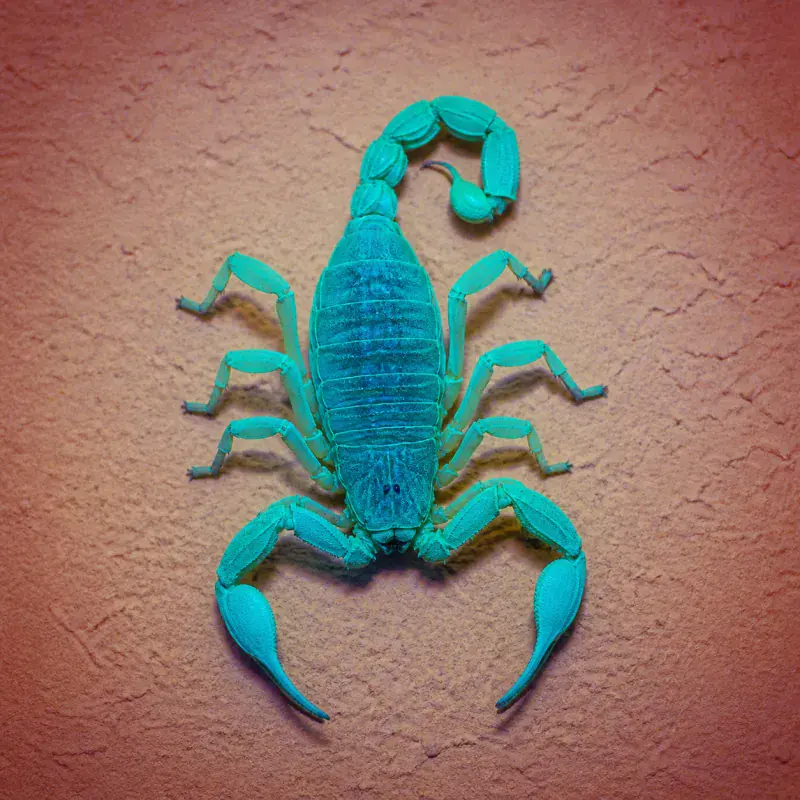
Bark scorpions eat crickets, cockroaches and other insects, according to the University of Arizona Cooperative Extension, plus spiders and the occasional smaller scorpion. They ambush rather than chase, which is why one will sit motionless on a wall beside a porch light all night: the light pulls in moths and crickets, and dinner walks to it.
That food chain is the most useful thing on this page. A yard with a cricket chorus, American cockroaches climbing out of the sewer cleanout, and a white bulb burning over the patio door is running a scorpion buffet. Switch the bulbs to yellow, get the roaches under control, and you remove the reason a scorpion would bother with your house at all. Providers who do scorpion work well treat the insects as seriously as the scorpions.
One more thing about appetite. A scorpion can go months without a meal, so starving them out is a slow play. It works, but it works alongside treatment and sealing, not instead of them.
How do scorpions mate, and why does it matter in summer?
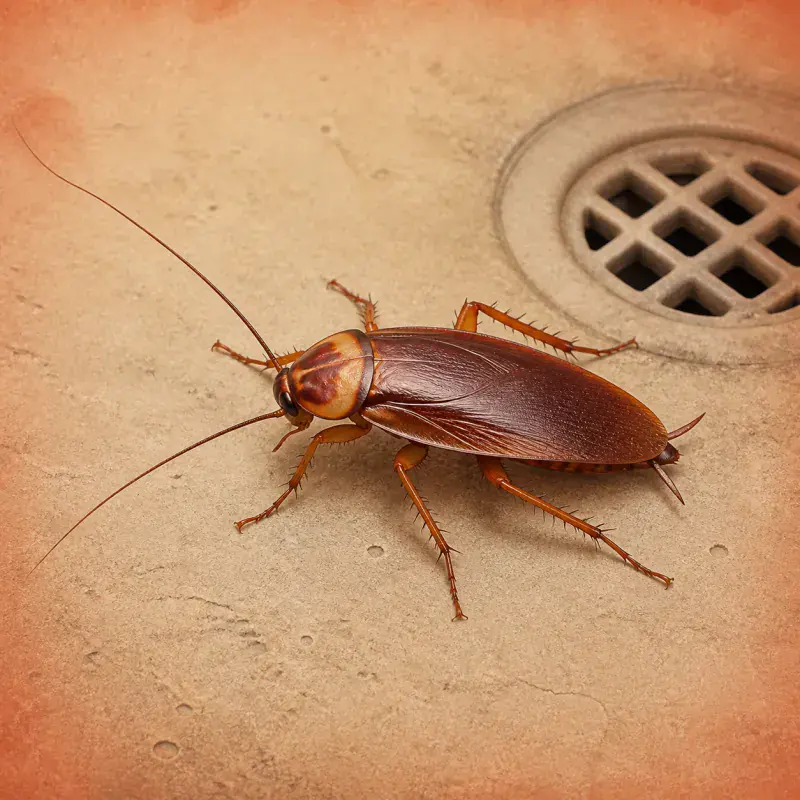
Scorpions mate through a courtship walk biologists call the promenade a deux: the male grips the female's pincers and leads her back and forth until he finds a firm surface to deposit a sperm packet, then steers her over it. Scorpions do not lay eggs. The female carries the developing young for months and gives live birth, and the newborns climb straight onto her back and stay there until their first molt.
Why a homeowner should care: the warm months are when this plays out, which puts wandering males on your walls and gravid females in your block wall voids. A bark scorpion can live five to seven years, so one established female near the house compounds over time. If you spot a scorpion with a pale, wriggling load on its back, that is the one to call about the same day, and it is the reason scorpion control in Tucson is built around repeat visits rather than a single spray.
Where do scorpions go in winter?
Tucson scorpions do not die off in winter. From November through March the University of Arizona Cooperative Extension describes them as less active, clustering together in protected spaces during the coldest stretches. The National Park Service notes that bark scorpions overwinter in groups of up to 40 until evening temperatures hold above the low 70s. So the wall that had two scorpions in August may be holding a few dozen in January, sleeping it off together.
Two practical consequences. First, a warm week in February or a heated garage can wake a few early, which is why people get startled by a scorpion in the laundry room in winter. Second, winter is your window. The population is concentrated, sluggish and not reproducing, so sealing the house and clearing harborage between December and February pays off all spring. Block wall voids treated in winter catch them while they are home. For the actual punch list, see our guide to scorpion-proofing a Tucson home, which covers the door sweeps, weep screed and rock beds in the order worth doing them.
Seasonal checklist for Tucson homeowners
Work the year in quarters and you stay ahead of them instead of reacting to one in the bathtub.
- January to March: seal doors, windows, weep holes and pipe penetrations; clear woodpiles and pots from the walls; book the first treatment for March
- April to June: start a monthly or bi-monthly plan; swap porch bulbs for yellow; UV walk every two weeks; shake out shoes and towels
- July to September: stay on schedule through the monsoon; UV walk after every big storm; treat the food supply, meaning crickets and roaches; check the garage and pool equipment after rain
- October to December: last treatment in November; map where they clustered this year; schedule sealing for winter; declutter the garage
If somebody in the house does get stung during the summer peak, our guide on what to do in the first hour after a bark scorpion sting covers the first aid and the symptoms worth an emergency room. When to call a provider rather than handle it yourself: any scorpion indoors more than once, any scorpion in a home with small children, a female carrying young, or a UV walk that turns up more than a handful on the house itself. Black widows share the same walls, so if you are seeing webs in the weep holes too, spider control in Tucson is usually handled on the same visit. When you call, you are routed by ZIP code to a licensed local provider who covers your part of the metro.
Frequently asked questions
Is there a month with no scorpions in Tucson?
No. Bark scorpions are present year round in Tucson; they simply slow down from November through March and cluster in protected places like block wall voids. You will see far fewer, and stings drop sharply, but a warm winter week or a heated garage can bring a few out. Winter is the best time to seal the house, not the time to assume they are gone.
Do scorpions come out more during the monsoon?
Yes. Monsoon storms from mid-June through September flood the block walls, rock beds and woodpiles where bark scorpions hide during the day, and they climb out and up, often onto the house. Humidity also brings out crickets and roaches, their main food, so July and August are the peak months for scorpion sightings and stings in Tucson.
When should I schedule scorpion treatment in Tucson?
Book the first treatment in March as nights warm past the mid-60s, then stay on a monthly or bi-monthly plan through October. If you are starting mid-season, start now; there is no bad time once they are active. Home sealing is best done in winter, December through February, while the scorpions are clustered and slow.
Why am I seeing scorpions inside in January?
A few bark scorpions overwintering in a wall void or garage wake up when the house is warm, so a heated room or a sunny winter week can push one indoors. It usually means they were already inside the structure, not that a new wave arrived. Have the wall voids and garage treated and the entry points sealed before spring wakes the rest of them.