
Pest control in Marana: what actually shows up here
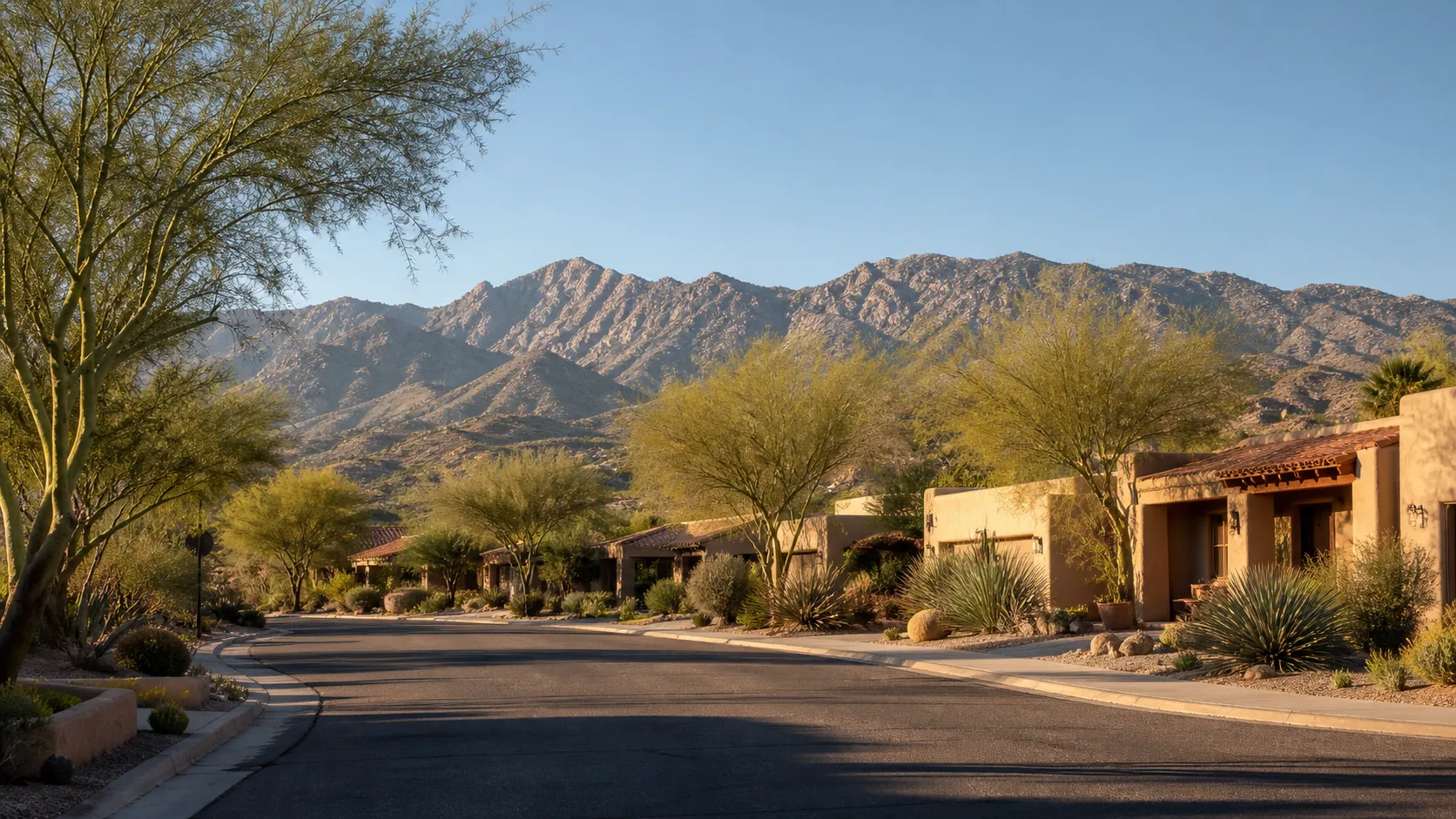
Desert subterranean termites, roof rats and pack rats, scorpions and American cockroaches are the Marana regulars, roughly in that order in the newer neighborhoods. Marana incorporated in 1977 with about 10 square miles and 1,500 people and has annexed its way past 120 square miles since, so the town now runs from Tortolita foothills at Dove Mountain to river-bottom farmland at Gladden Farms. Different ground, different pests.
| Pest | Where it shows up in Marana | Service |
|---|---|---|
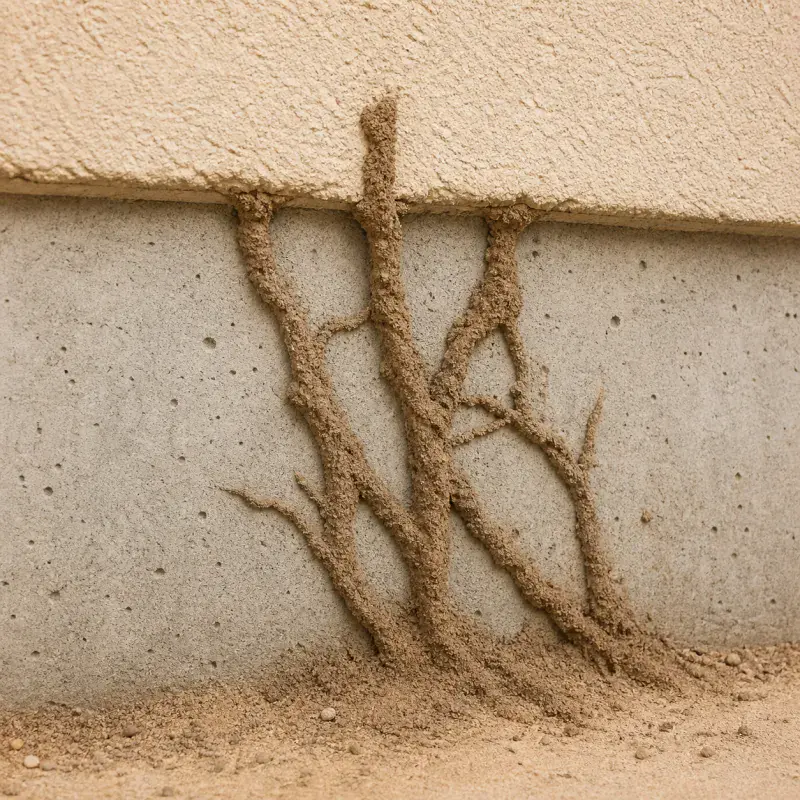
| Desert subterranean termites | Slab homes of every age, especially once the builder pretreatment passes year three | Termite control |
| Roof rats and field rodents | Gladden Farms and other streets with farmland or the Santa Cruz River on one side | Rodent control |
| Pack rats | Dove Mountain and Tortolita foothill lots with cholla and prickly pear | Pack rat control |
| Arizona bark scorpion | Block walls and fresh stucco in Dove Mountain and Saguaro Bloom | Scorpion control |
| American cockroaches | Sewer laterals and irrigation boxes in Continental Ranch; ground-floor bathrooms | Cockroach control |
| Ants | New sod and drip lines in every fresh subdivision | Ant control |
Marana homes and why pests like them
Most Marana housing is under 25 years old and sits on land that was farmed or was open desert until the graders came. Gladden Farms grew cotton, soybeans and corn from the 1920s until the land sold to developers in 2002, and the first residents arrived in 2004; the three old feed silos near the Santa Cruz River are still standing, according to the community's own history. Continental Ranch, the town's first master-planned community, now holds about 4,000 homes along Silverbell Road. Dove Mountain climbs into the Tortolita Mountains with the Ritz-Carlton, the Gallery golf courses and the age-restricted Heritage Highlands and Del Webb neighborhoods.
What this means for pests is simple. Displaced rodents do not leave when the farm does; they move into the garages that replaced it. Desert lots at Dove Mountain keep their pack rats and scorpions. And every one of these homes got a pre-construction termite treatment that Arizona rules (Arizona Administrative Code R3-8-309) only require the applicator to stand behind for three years. After that, the barrier is whatever chemical is left in the soil, and it fades.
Seasonal pattern in Marana
Termite swarms hit Marana from July into September, after the first big monsoon storms, and that is when owners of 5 to 15 year old homes tend to discover that the pretreatment is no longer doing much. Rodent calls climb in fall as nights cool and the remaining fields get cut, then pick up again in spring. Scorpions run April through October, heaviest in July and August. Ant trails explode within days of any monsoon rain. American cockroaches come up through drains in the hottest weeks of June, before the rains break the heat. Winter is quiet, and it is also the easiest time to get a rodent exclusion job scheduled.
When to seek care: a bark scorpion sting is painful but rarely serious for a healthy adult. Young children face the greatest risk, according to the University of Arizona. For a stung child, or anyone with trouble breathing, call the Poison Help line at 1-800-222-1222; the Arizona Poison and Drug Information Center in Tucson answers for Pima County.
Typical Marana pest control prices
These are typical market ranges across the Tucson metro, not a quote. The provider you are connected with sets the price after seeing the home.
| Service | Typical Marana range |
|---|---|
| Initial general pest service | Roughly $150 to $300 |
| Quarterly service, per visit | Roughly $100 to $200 |
| Termite inspection | Often free with treatment, otherwise roughly $75 to $150 |
| Termite liquid treatment, typical Marana slab | Roughly $800 to $2,500 |
| Rodent trapping program, initial | Roughly $150 to $350, plus roughly $200 to $600 for sealing |
New subdivisions price well because the lots are small and the block walls are uniform. Dove Mountain custom lots cost more to treat because there is more perimeter and more desert touching it.
How the call works for Marana addresses
Marana calls are routed by ZIP code to a licensed local provider covering 85653 (Gladden Farms, Saguaro Bloom, central Marana), 85658 (Dove Mountain, Heritage Highlands) and the Continental Ranch and Continental Reserve streets that carry Tucson mailing ZIPs 85743 and 85742 even though they sit inside town limits. Sonoran Pest Co is an independent referral service. We connect you with a provider licensed by the Arizona Department of Agriculture, Pest Management Division; the provider inspects, treats and sets the price.
Two things help the first call. Ask for the license number. And if you bought new, dig out the Termite Action Report from your closing paperwork; it tells the provider which product went into the soil and when. If you just want an exterminator in Marana for a one-time roach or ant problem, say so, because one-time service exists. The metro overview is on our Tucson pest control page, and the termite cost guide explains what moves a treatment price.
How the call works
- Tell us what you are seeing. Scorpions in the garage, mud tubes on the stem wall, a rat in the engine bay. A few details are enough.
- Get routed by ZIP code. Your call goes to an independent, licensed provider that actually covers your part of the Tucson metro.
- Book on the same call. Most providers can quote an inspection or treatment window right away.
Same-day or overnight service depends on which providers are taking calls in your part of Tucson, how many technicians are free and how busy the week is. Nobody can promise it, and capacity shifts from one neighborhood and one week to the next.
Frequently asked questions
My Marana home is six years old. Do I still have termite protection?
Probably not much. Arizona requires the business that pretreated a new home to retreat any subterranean termite activity free of charge for three years from the original treatment; past that, the soil barrier is on its own and weakens. Desert subterranean termites forage year round. A licensed inspection, often free when treatment follows, tells you where you stand.
Why do I have rats in a brand-new subdivision?
Because the subdivision replaced their habitat. Much of Marana was farmland and open desert, and the Cortaro-Marana Irrigation District still waters more than 10,000 acres of fields nearby. Roof rats and pack rats move into the garages and attics that replaced their cover, and new sod and drip lines hand them water. Trapping plus sealing entry points is the fix.
Are scorpions a problem in Dove Mountain?
Yes. Dove Mountain sits in the Tortolita foothills, which is classic Arizona bark scorpion terrain: rock, cholla and block walls for daytime cover. Bark scorpions climb stucco and come in under doors. Most stings are painful but not dangerous for healthy adults; for a stung child or anyone with trouble breathing, call the Poison Help line at 1-800-222-1222.
Do the old cotton fields still matter?
Less each year, but yes. Cotton farming in Marana dates to World War I, and while much of that acreage is now rooftops or a solar plant west of town, working fields still sit beside Gladden Farms and across Avra Valley. Field edges hold rodents, roaches and ants, and harvest and clearing push them toward the nearest homes.